
Free on-site gate assessment - hinges, posts, and your LiftMaster or Nice gate operator checked before anything is quoted
The assessment is free and the quote is the invoice.
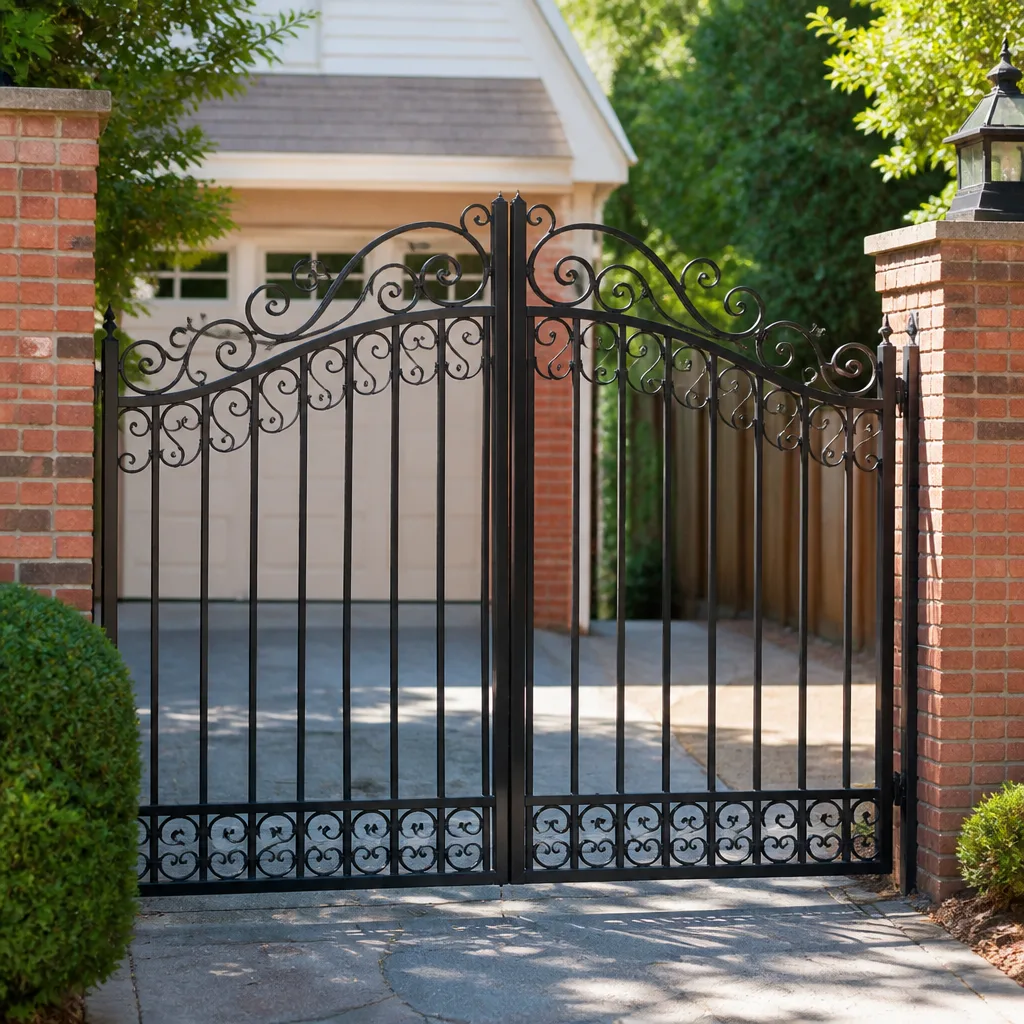
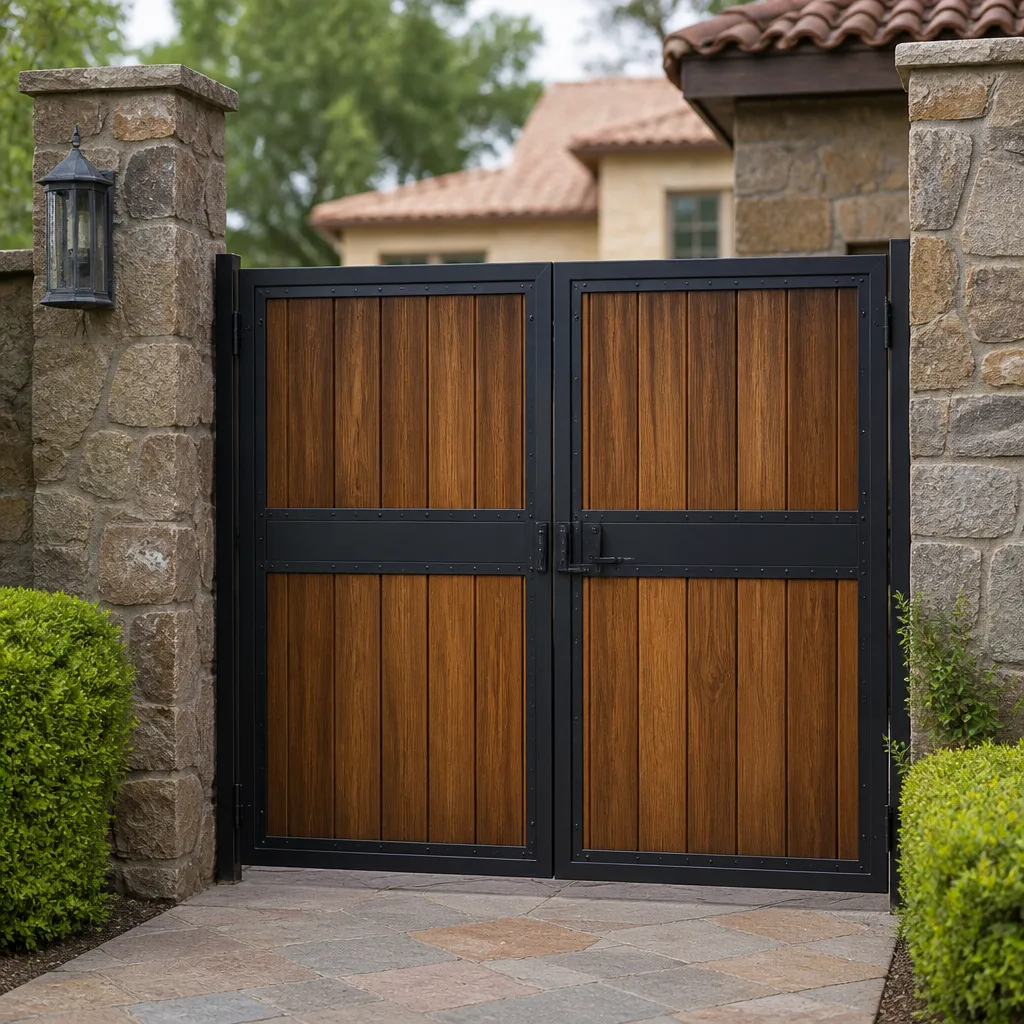
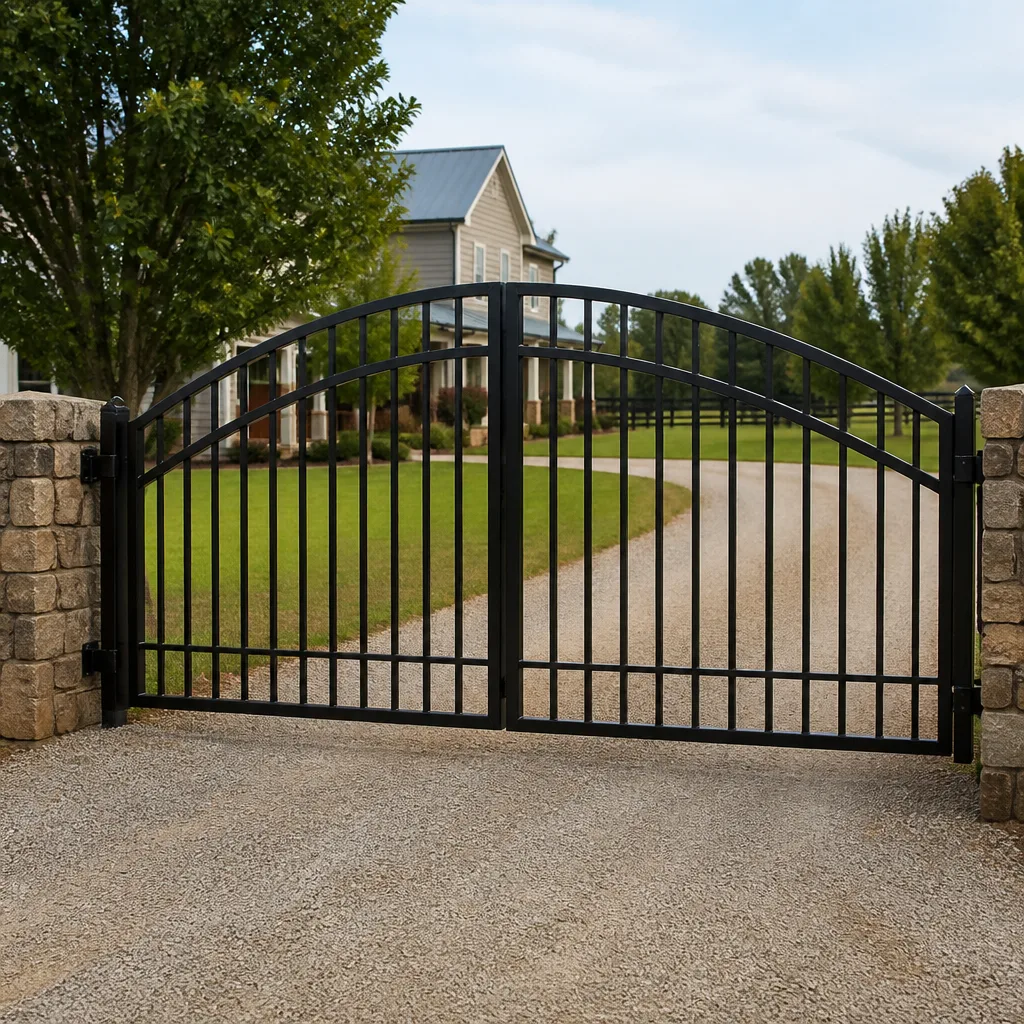
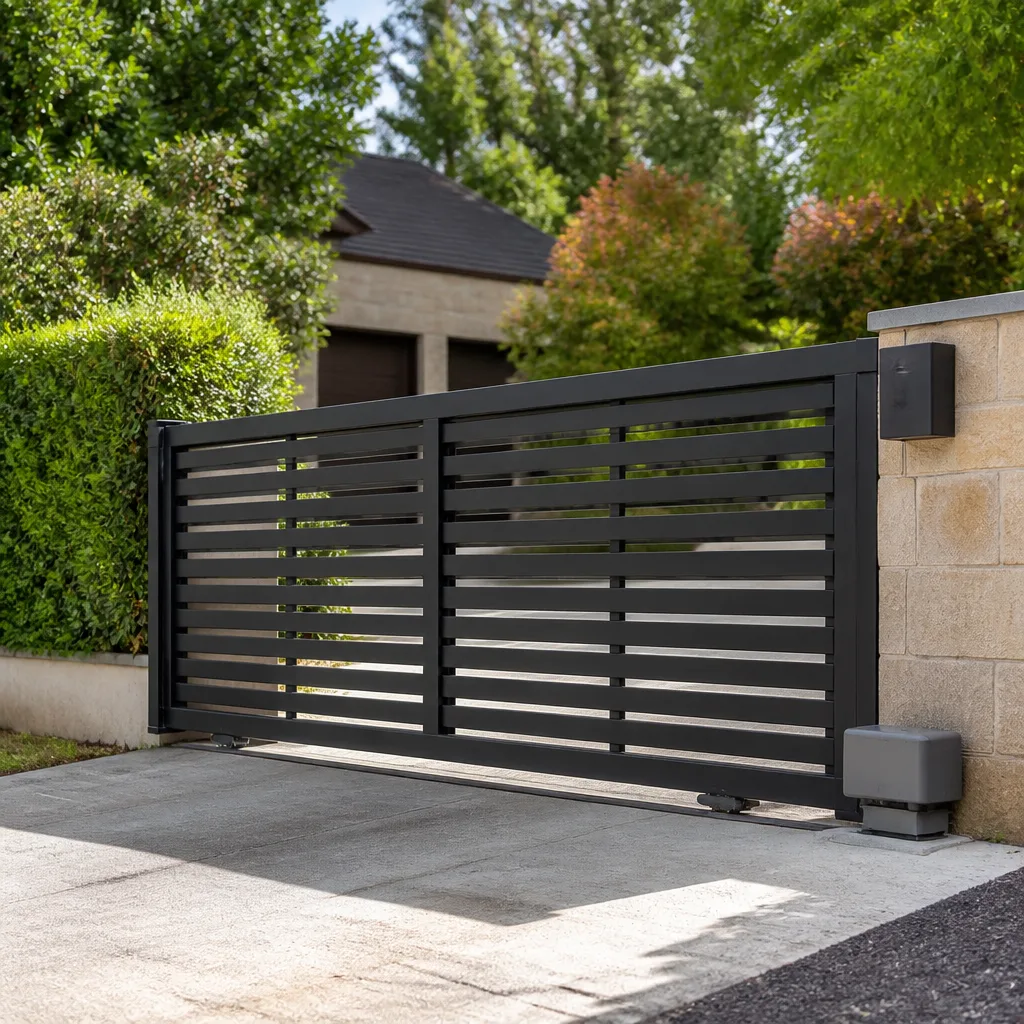
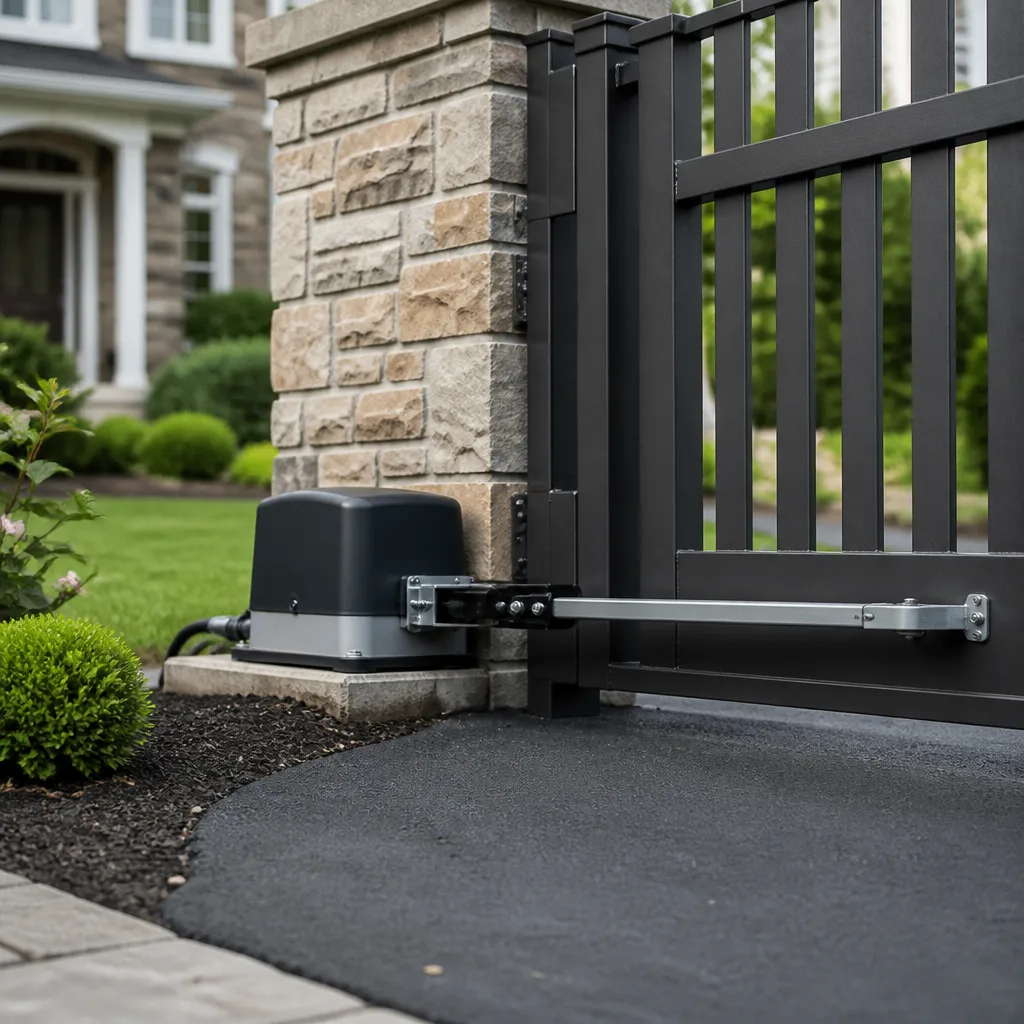
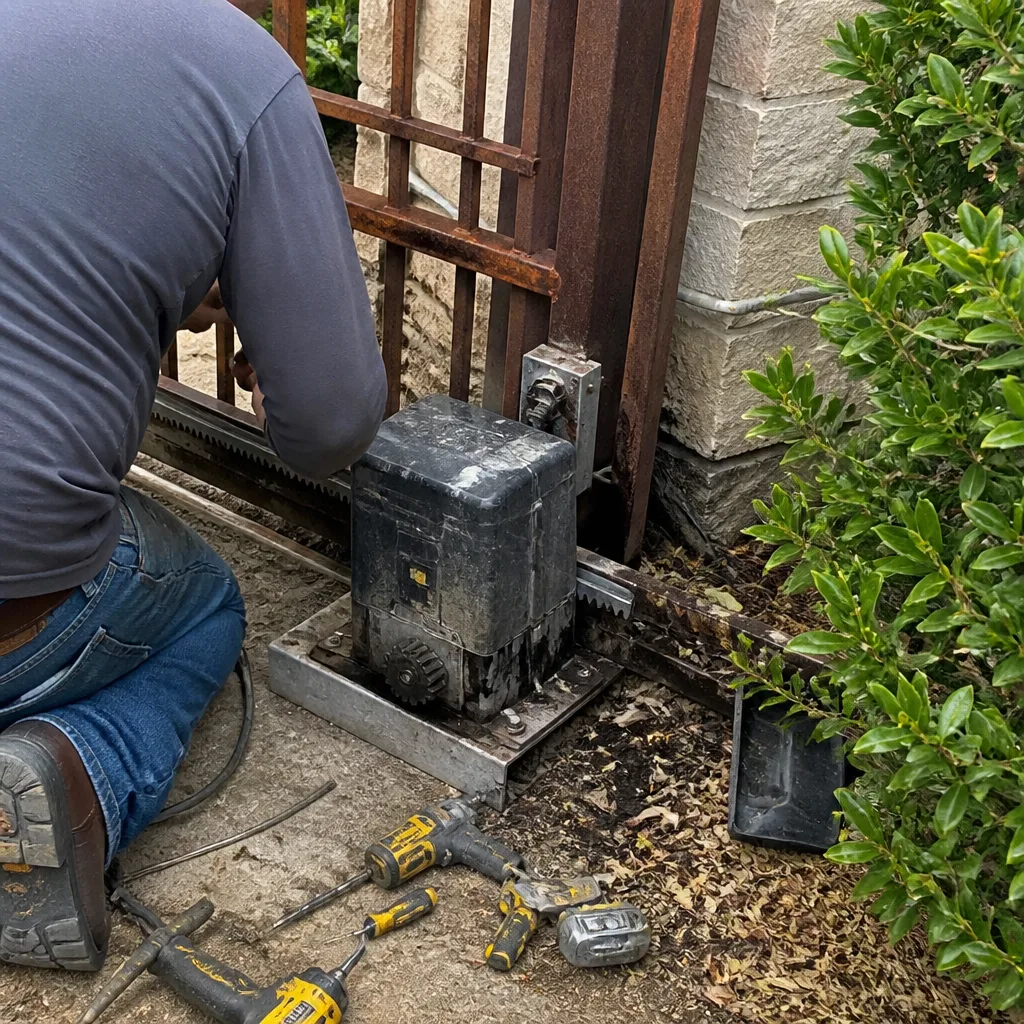 Before
 After
After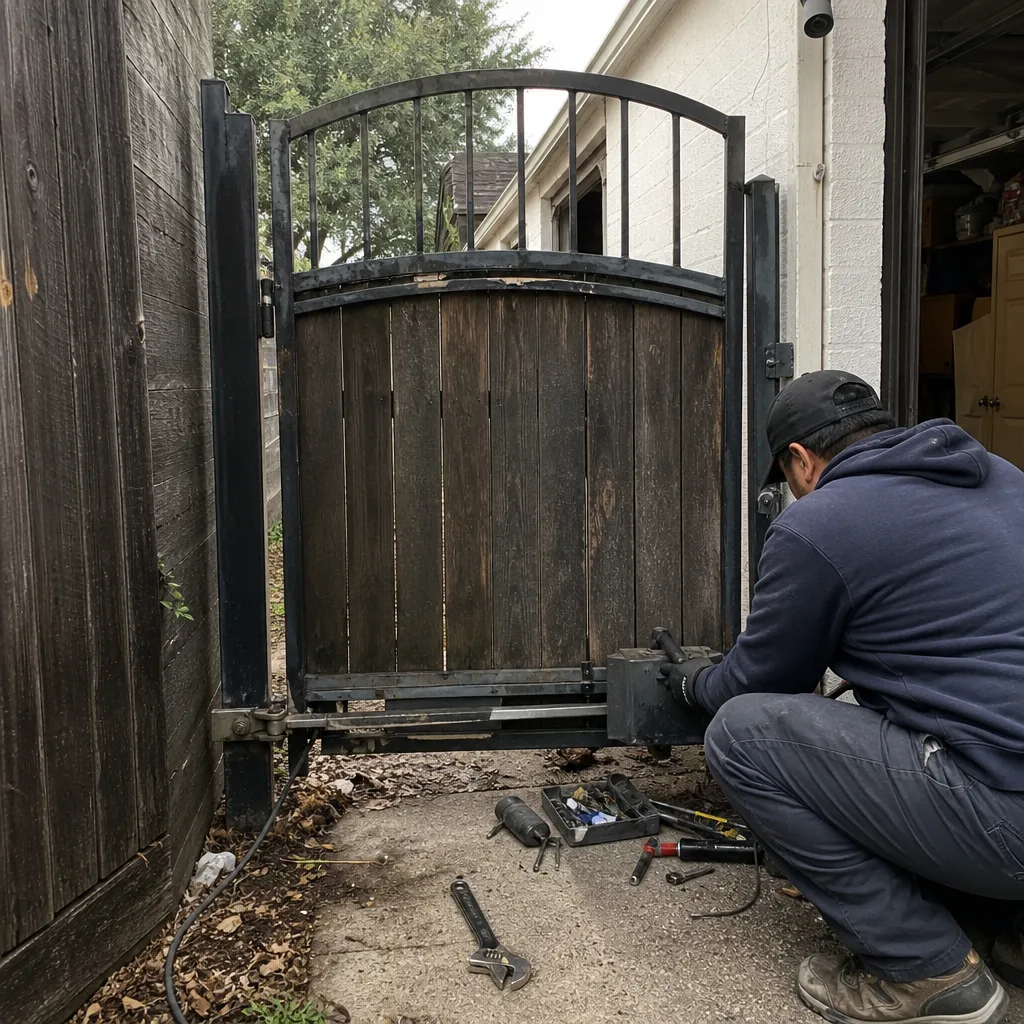 Before
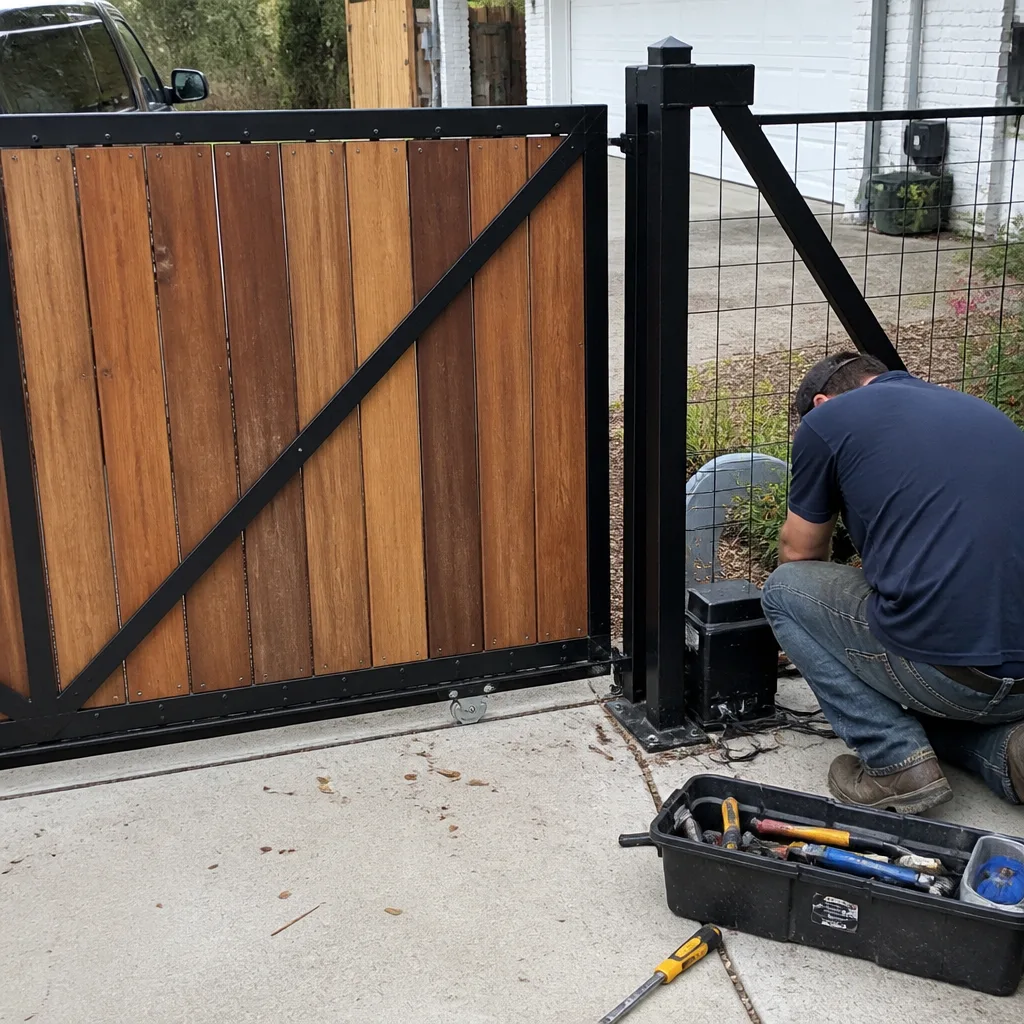 After
After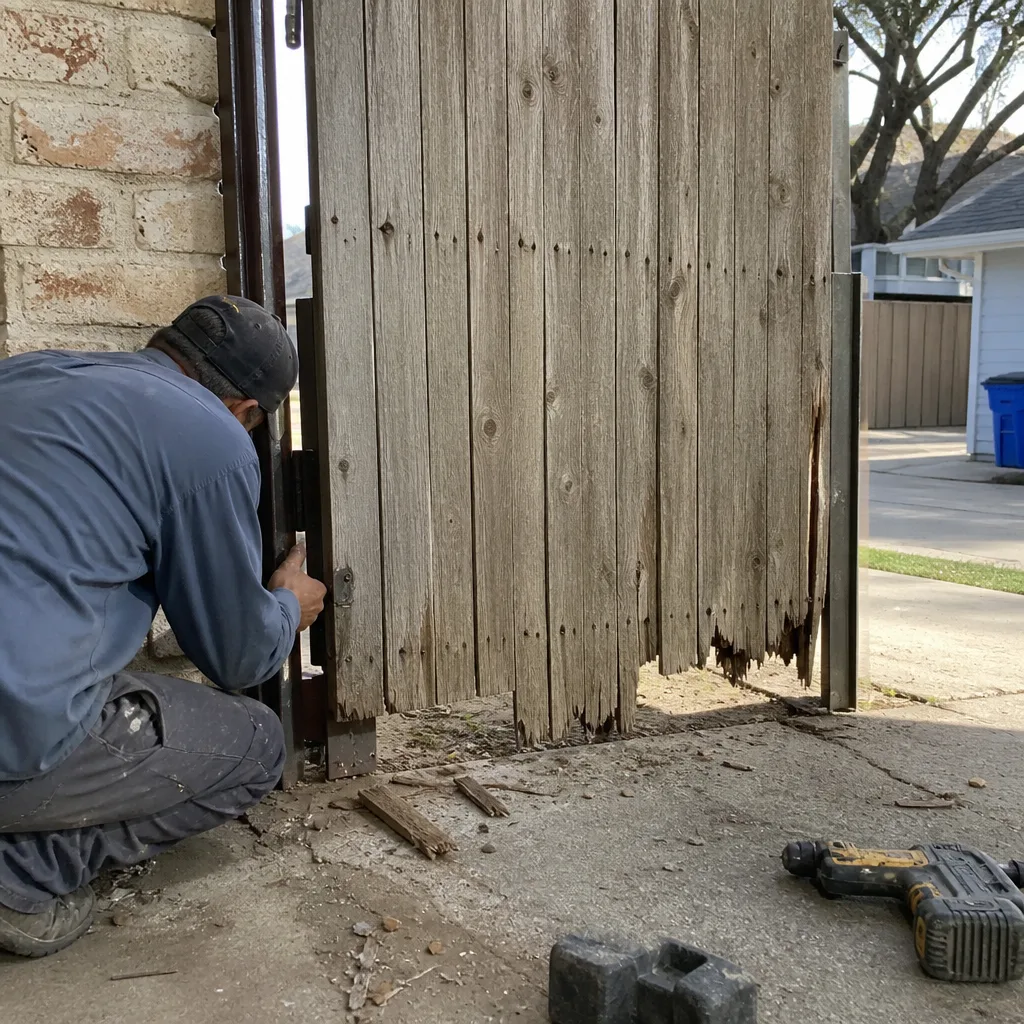 Before
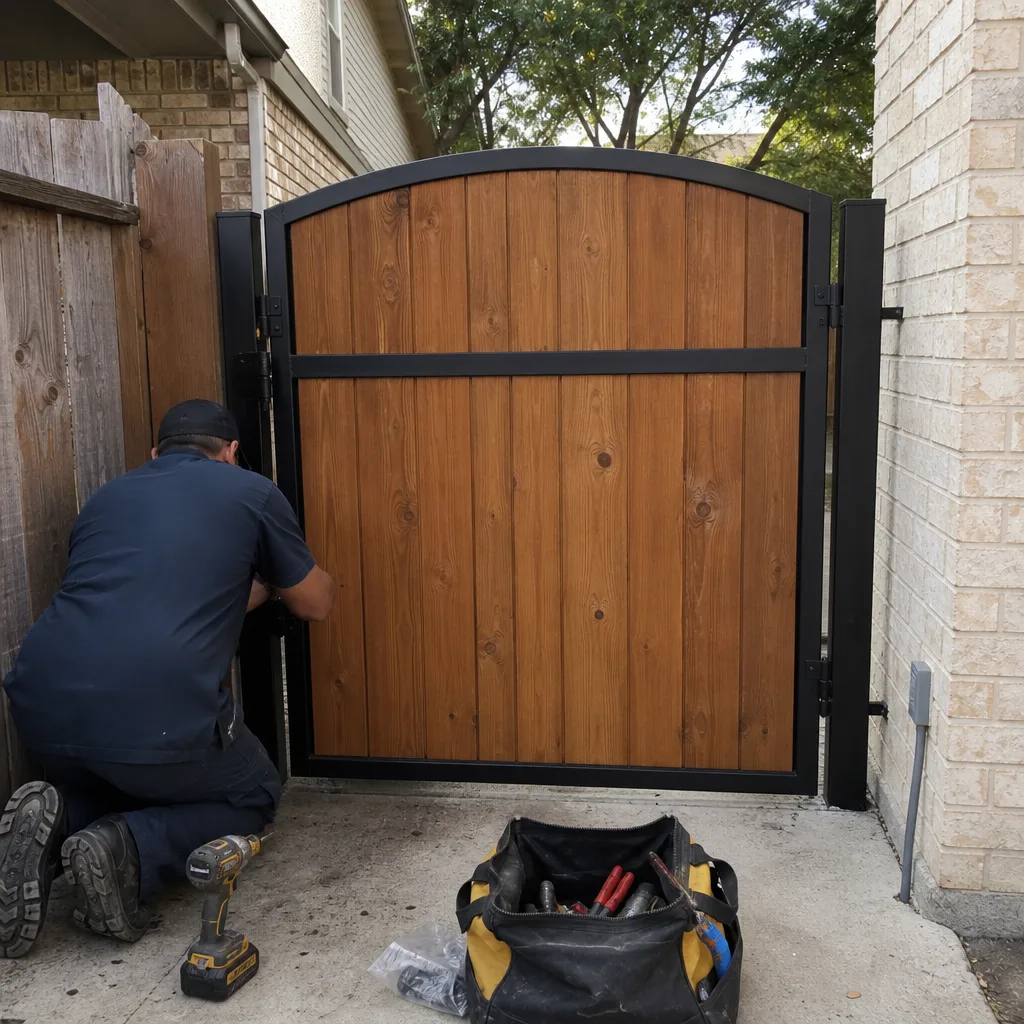 After
AfterLinear Gate Parts & Welding in Fort Worth: What to Know First
We repair Linear gate operators and provide steel welding for the physical gate itself across Fort Worth, from the wrought-iron driveway gates in Westover Hills to the lighter tube-steel gates in the Wedgwood and TCU area. Most Linear parts work runs $180-$480 in parts and labor, and most welding repairs run $250-$650 depending on what failed and how much steel has to come out. We’re an independent Linear service provider, not a factory warranty station, which means we show up with the right parts, diagnose what actually failed, and give you a written price before we touch anything. If you own a Linear operator (an LSO50, an LDO50, or an older APeX model) and the gate itself is sagging, binding, or torn loose at a hinge, this page tells you exactly what we do about it. Call (817) 476-9945 and a live person answers. Estimates are free.
Key takeaways:
- We repair Linear-brand operators and gate hardware for Fort Worth homeowners; we’re independent, not a Linear warranty affiliate.
- Most Linear gate parts & welding jobs run $180-$650, always with a written price before work starts.
- One live person answers the phone 24/7. No callbacks, no voicemail loop.
- Every visit leaves a photographed record of what was found, what was replaced, and what the gate should do next.
How Linear Products Fail - and How We Fix Them
Linear operators are workhorses, but no operator survives a gate that’s out of square. In Fort Worth, the clay soil moves more than people expect, and a gate that was fine in February will bind in August. Here’s what we find on Linear-equipped gates:
- Hinge failure on heavy ornamental gates: The older Linear APeX and LSO50 operators have enough torque to keep pushing a gate that’s fighting its own weight. The hinge is the part that gives first. We see this constantly in Westover Hills and Montserrat, where wrought-iron gates from the 1990s and 2000s sit on original hinges that were never greased. The fix is usually a hinge replacement with a heavier barrel and a greasable pin, then re-hanging the gate so the operator isn’t working against gravity. If the post itself is cracked, that’s a welding job, not a parts job.
- Rail wear on slide gates with LSO50 or LDS50 operators: Slide gates ride on a steel rail or V-track. When the rail wears unevenly or the rollers freeze up, the operator’s limit switches get confused and the gate stops mid-travel. We replace the rollers, weld in new rail sections when the old one is grooved past repair, and re-set the limits. A worn rail will kill a new operator in under two years if you don’t address it.
- Gate caster and roller bracket failure: Linear slide operators expect a gate that rolls cleanly. When a caster bracket snaps off its weld, the gate drops a half-inch and the chain or belt starts skipping. We cut the old bracket off, weld a new one on, and check the gate for level before re-tensioning the drive.
- Post rot at the ground line on column-mounted operators: This is the big Fort Worth one. Gates mounted on brick or stone columns develop water intrusion at the base, the steel post inside the column rusts through, and the operator starts twisting the column apart. By the time we get there, the operator mount is loose, the column is cracked, and the owner thinks the motor is dying. The real fix is steel post replacement and re-seating the operator, sometimes with a new steel backplate welded in. We’ve done enough of these to recognize the symptom over the phone.
- Latch and lock mismatch on Linear-equipped driveway gates: The operator itself doesn’t lock a gate; the physical latch does. We see gates where the latch bar doesn’t align with the receiver anymore because the gate was re-hung or the column shifted. The gate operator runs fine, but the gate bounces off the latch or won’t stay closed when the operator releases. It’s a quick fix: a new latch plate, sometimes a welded extension, and a re-alignment. On some Linear setups, the solenoid lock is wired to the operator board; we test that circuit before deciding whether the issue is mechanical or electrical.
One detail you won’t find on Linear’s own site: on the older APeX control boards, a limit switch that’s been jarred out of alignment will make the gate behave like it has a photo-eye obstruction. The board blinks the obstruction code, the homeowner replaces the photo-eye, and the gate still doesn’t run. We check the limit switch first, because that’s the failure we see most on Fort Worth gates that have been hit by wind or hit by a car. It saves people money.
Our Linear Gate Parts & Welding Process
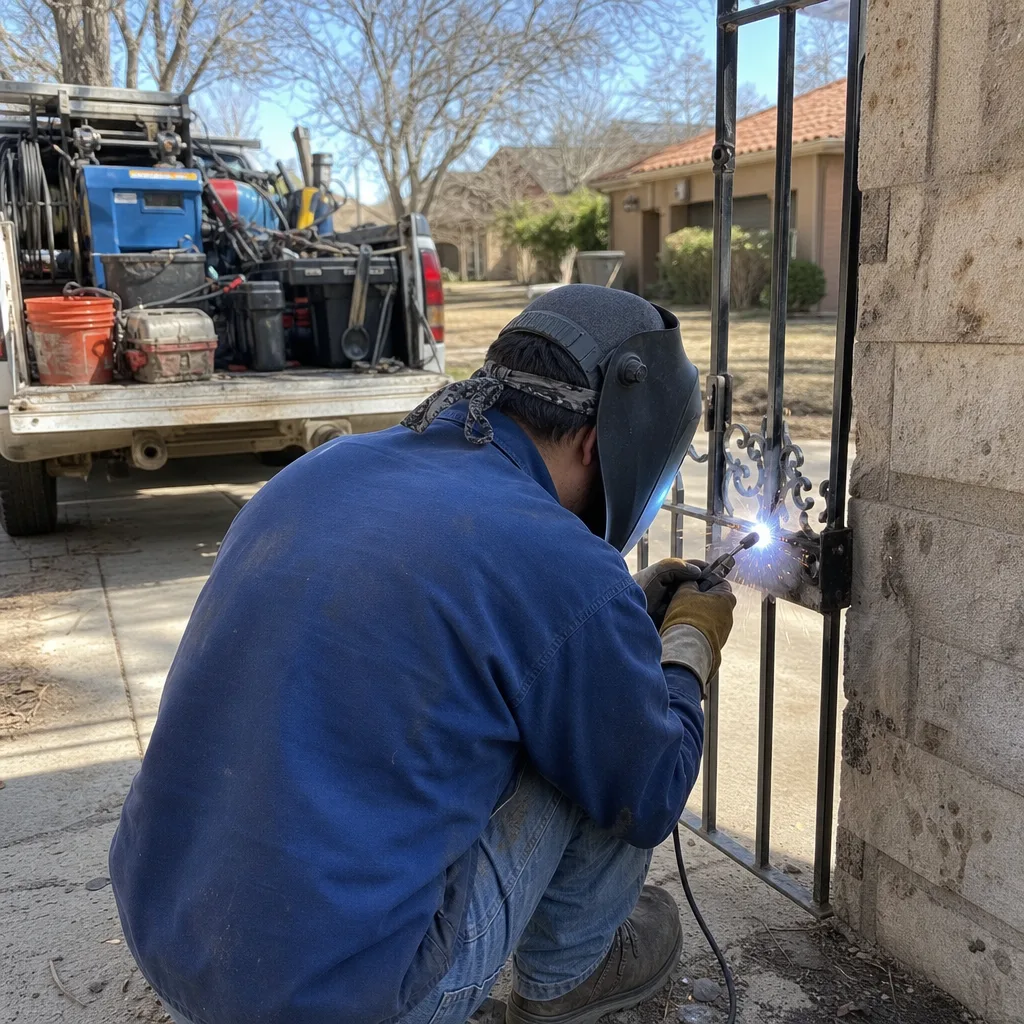
When a Linear gate job comes in, this is what happens, start to finish:
- 1
Call and diagnosis: You reach a live person, 24/7. We ask what the gate is doing, what operator model you have (we’ll help you find it if you don’t know), and whether it’s a swing or slide gate. If it’s a safety issue or the gate is stuck open at night, we treat it as an emergency call.
- 2
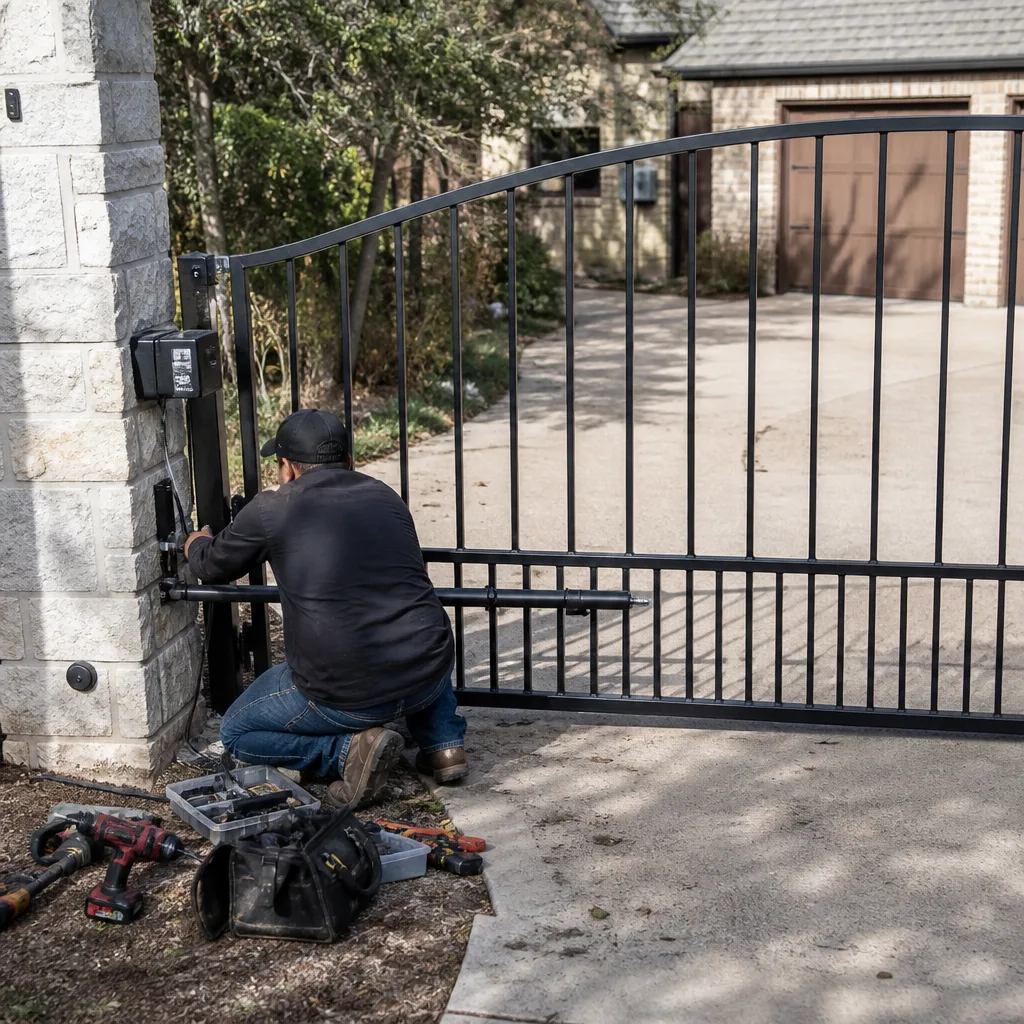
On-site assessment: Our tech shows up with the part numbers in the truck, looks at the operator and the physical gate, and measures what’s actually out of alignment. We photograph everything. You get a written price before any repair starts.
- 3
Parts decision: For Linear-specific components (control boards, limit switches, receiver cards), we use OEM Linear parts when they’re available. For structural parts (hinges, posts, rollers, latch hardware), we use milled steel or commercial-grade aftermarket parts that are thicker than what came from the factory. We’ll tell you which one we’re using and why.
- 4
The repair: Welding is done on-site, including MIG and stick work on thicker steel. Gates are braced before any structural piece is cut out. New hinge barrels are welded square and greased before re-hanging. New posts are set in place, trued for plumb, and welded with a full gusset, not a stitch.
- 5
Operator testing: After the gate is physically right, we cycle the Linear operator through its full travel, check the limit switches, photo-eye alignment, and any solenoid lock wiring. On swing gates, we check the travel stops and the arm bracket.
- 6
Documentation and warranty: Before we leave, you get a written record of what was replaced, the part numbers, and photos of the work. Every job is covered under our 365-Day Done Right Promise: if it’s not right within a year, we make it right. No fee, no argument.
Adrian Vance runs every Linear gate repair the same way he’s run gate calls since 2014: name what you found, name what it costs, name what you left behind. That’s the whole job. No padded line items, no mystery charges.
BeforeAfterWhat Linear Gate Parts & Welding Costs in Fort Worth
Here are the dollar ranges we see most often on Linear gate repairs in Fort Worth:
| Repair | Typical Range |
|---|---|
| Single hinge replacement, welded and re-hung | $250-$450 |
| Hinge pair replacement on a heavy iron gate | $450-$750 |
| Gate roller or caster bracket replacement, welded | $200-$400 |
| Slide gate rail section replacement, welded and trued | $400-$700 |
| Gate post replacement (steel post, set and welded) | $500-$1,200 |
| Latch and lock re-alignment or replacement | $180-$350 |
| Limit switch replacement and travel re-set (Linear APeX / LSO50) | $220-$380 |
What moves the price is the thickness of the steel, how much of the old metal has to be cut out, and whether we’re working on a column or a cedar post. Every price is written down and handed to you before the first weld. That’s Haven Standard Clause 1, and it’s non-negotiable. Call (817) 476-9945 for a free estimate. You will not get an invoice bigger than the quote.
Why Fort Worth Homeowners Call Vance Gate Repair Fort Worth for Linear Work

Fort Worth has plenty of gate companies. Most of them will give you a verbal estimate and a handshake. We do it differently. We write everything down, photograph everything we touched, and stand behind every repair for a full year under our 365-Day Done Right Promise. If we touch it and it’s not right, we’re back out, no fee, no expiration. And we’re not exclusive to Linear; we also service LiftMaster, Mighty Mule, Ghost Controls, and DoorKing. That matters when your Linear operator shares a gate with parts from another brand, which happens more often than manufacturers want to admit. One truck, one tech, one written record. Our techs are background-checked and uniformed, and you know who’s coming before they arrive. And when you call at two in the morning because the gate won’t close, a live person picks up. No voicemail, no callback queue. That’s the Haven Standard and it’s how every job works.
FAQs
Structural welding on the gate itself, like hinge replacement or post repair, doesn’t affect the operator warranty in most cases because it doesn’t touch the operator. What voids warranties is an operator that’s asked to push a sagging gate and burns out its own motor. That’s exactly the failure we prevent by doing the welding work first. If you’re still under a Linear factory warranty, we’ll tell you which repairs we recommend you route through the warranty process before we quote you anything. We’re an independent Linear service provider and we don’t hide that.
Most common Linear parts, including limit switches, control boards, and receiver cards, are available locally or within one to two days through our parts channels. Structural parts like hinges, rollers, and steel posts we fabricate or source same-day from local steel suppliers. If your operator is down and the gate can’t be secured, we can often complete a temporary manual-release fix the same day. Call (817) 476-9945 and we’ll tell you what’s possible for your exact model.
A single hinge replacement on a standard residential gate typically runs $250-$450. A pair on a heavy ornamental iron gate runs $450-$750. The range depends on the thickness of the steel, whether we’re working on brick columns or wood posts, and how much old material has to be cut out. We give you the exact number in writing before we start.
If the operator is under seven years old and the failure is a limit switch, a control board, or a wiring issue, repair almost always makes more sense. We repair Linear operators, we don’t steer people toward replacement. The exception is when the gate itself has been binding so long that the motor has overheated repeatedly. In that case, fixing the gate comes first, and then we’ll give you an honest read on whether the operator has life left in it.
It’s almost never the operator. A sagging gate means a hinge is worn or the post has shifted. The operator’s limit switch is reading the wrong resistance because the gate isn’t swinging or sliding the way it was designed to. We fix the physical gate first, then re-set the limits and test the full travel. That fixes most so-called “motor problems” permanently. If you’re in Fort Worth and the gate is sagging, call us; we’ll tell you what we think it is before we even schedule the visit.
Written by Adrian Vance, Owner, Vance Gate Repair Fort Worth at Vance Gate Repair Fort Worth, serving Fort Worth and nearby areas.